
The Cutting Edge: 5 Major Technological Developments Transforming LED Lighting
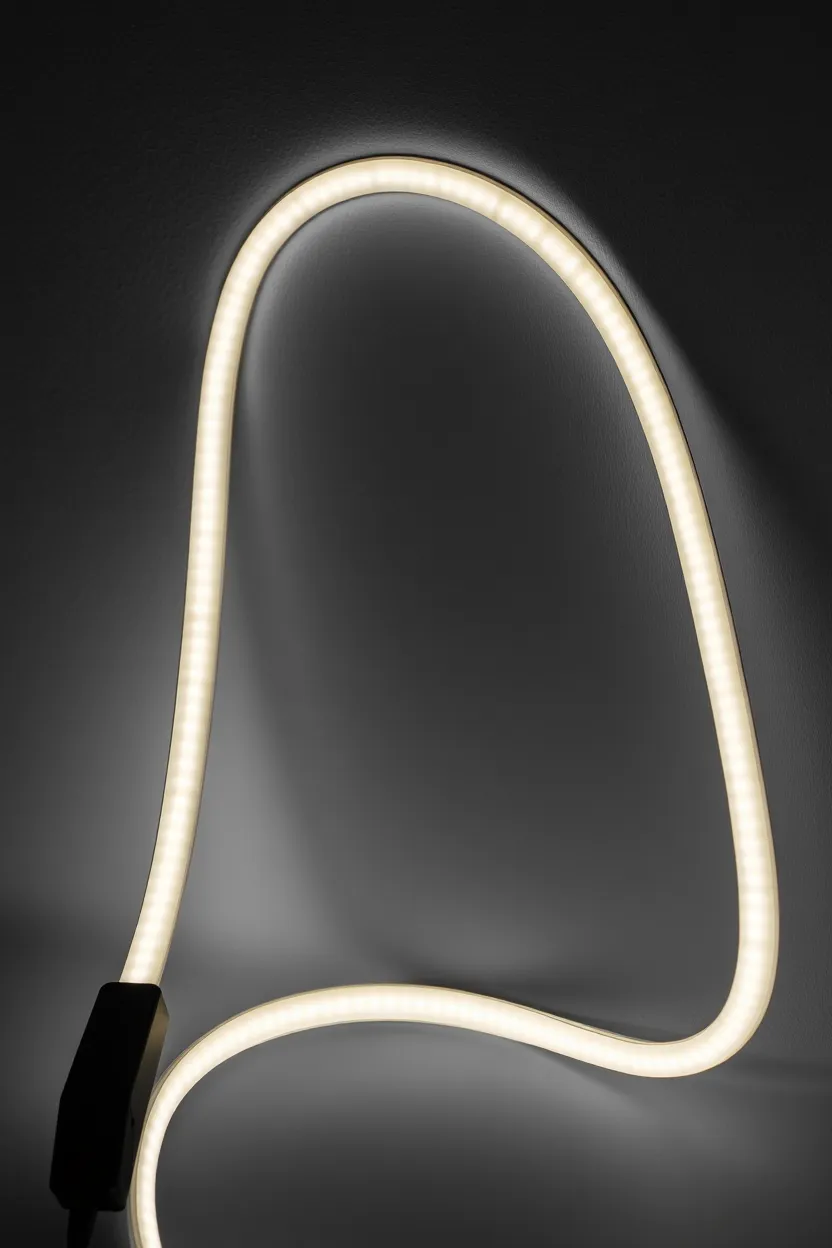
The LED has already changed how we light spaces, but the innovation cycle is accelerating. The modern LED fixture is rapidly evolving from a simple light source into a complex, intelligent, and highly customizable technology platform. Here are the top five technological developments we’re tracking and integrating into our future products.
1. Human-Centric Lighting (HCL) & Tunable White
HCL is a design philosophy that places human well-being at the core of lighting.
- The Technology: Tunable White systems allow users to dynamically adjust the color temperature and intensity of the light throughout the day.
- The Impact: By automatically transitioning from cool, bright light (4000K-5000K) in the morning and afternoon (to boost alertness and productivity) to warm, dimmer light (2700K-3000K) in the evening, HCL supports the body’s natural circadian rhythm, leading to better sleep and overall health. We see HCL becoming a standard in offices, schools, and healthcare facilities.
2. Deep Integration with IoT and AI
The combination of LEDs, sensors, and the Internet of Things (IoT) is creating truly “smart” environments.
- Smart Systems: Modern LED drivers are equipped with wireless communication (Bluetooth, Wi-Fi) to integrate with smart home platforms and building management systems (BMS).
- AI Analytics: Using integrated sensors, the system can collect data on occupancy, daylight availability, and energy consumption. AI algorithms then use this data to predict lighting needs, automate adjustments, and optimize energy use by as much as 85%.
3. MicroLED and OLED: The Future Form Factor
These advancements are changing the physical nature of the light source itself.
- OLED (Organic LED): These lights use organic compounds to create extremely thin, flexible, and diffuse light panels. They are ideal for unique architectural lighting and high-contrast displays because they emit light uniformly without glare.
- MicroLED: The next step in display technology, MicroLEDs are tiny, individual LEDs offering superior brightness, color accuracy, and efficiency without the “burn-in” issues of OLEDs. They are set to revolutionize high-end commercial displays, automotive lighting, and AR/VR devices.
4. Li-Fi (Light Fidelity): Data Through Light
Li-Fi is a groundbreaking technology that uses the light spectrum to transmit data.
- How it Works: Li-Fi uses the high-speed flickering of LED lights (invisible to the naked eye) to create an ultra-fast wireless communication network.
- The Advantage: Unlike Wi-Fi, Li-Fi is inherently more secure because the signal cannot penetrate walls, and it offers speeds potentially 100 times faster than traditional Wi-Fi in enclosed spaces. While still emerging, this development promises to make our lighting fixtures dual-purpose: illumination and high-speed connectivity.
5. Special-Purpose LEDs (Horticulture & UV-C)
LEDs are being engineered with highly specific light spectrums for targeted applications.
- Horticultural Lighting: Custom “recipes” of blue and red light are used in indoor vertical farms to maximize photosynthesis, accelerating plant growth and yield while minimizing energy waste.
- UV-C Disinfection: Fixtures integrating UV-C LEDs are being deployed in hospitals and public spaces to provide non-chemical, germicidal disinfection of air and surfaces, a critical advancement in pathogen control.