
A World Transformed: Key Global Insights on the LED Lighting Industry
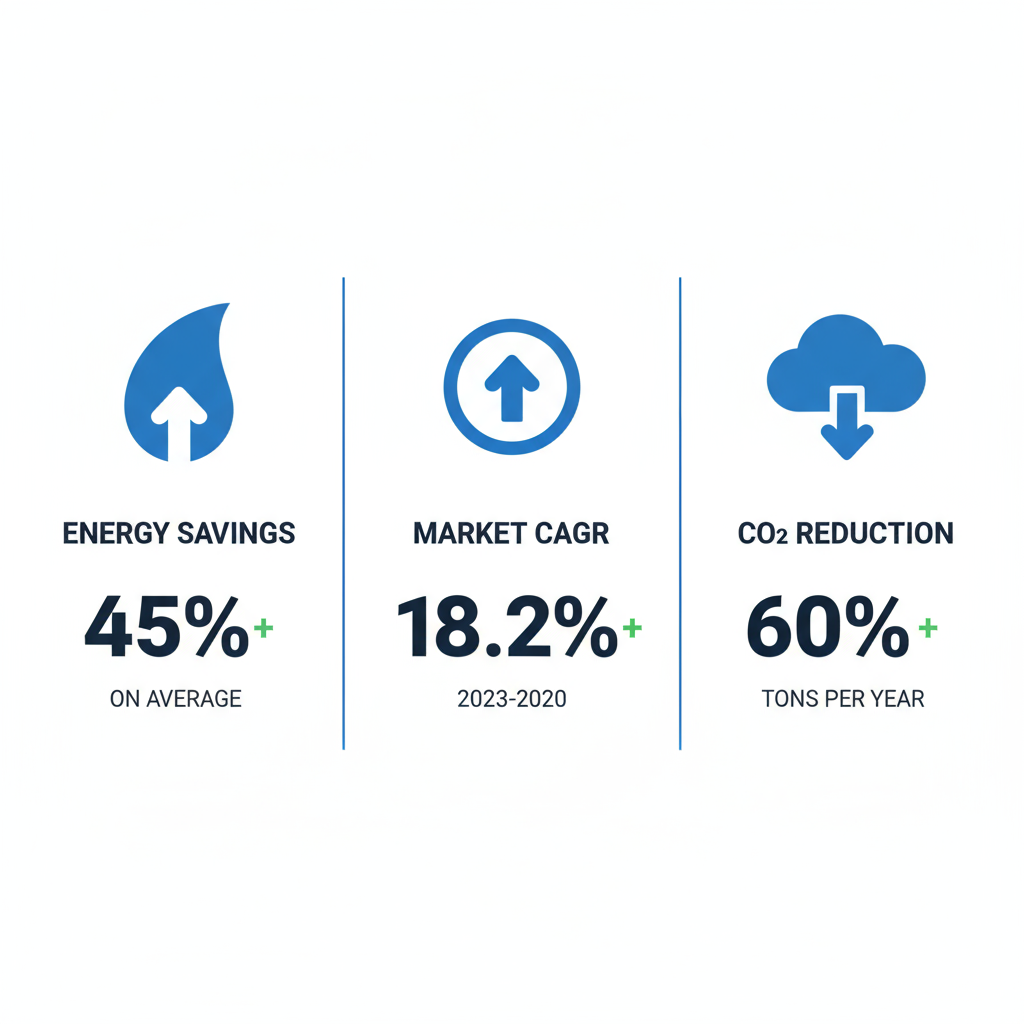
The transition to LED lighting is more than an economic trend; it is a global environmental and technological imperative. Drawing on our experience as a global manufacturer, we offer a final overview of the overall market, summarizing its most impactful insights and what they mean for the future.
Insight 1: Energy Efficiency is the Primary Driver
The fundamental principle driving global adoption is the immediate and drastic reduction in energy consumption.
- The Numbers: An LED consumes 75% to 90% less energy than its traditional counterparts. This is not just a commercial benefit, but a global one.
- The Impact: This energy reduction significantly lowers the load on global power grids, reducing the need for new power plants and helping countries meet their climate targets. Government mandates to retire inefficient lighting continue to be the biggest catalyst for mass market change.
Insight 2: The Efficacy Race Continues
Even though LEDs are already highly efficient, manufacturers are constantly pushing the boundaries of performance, measured in lumens per watt (lm/W).
- Continuous Improvement: LED efficacy is steadily increasing, with high-quality models now consistently exceeding 140 lm/W. This means the same amount of light is being produced using less and less energy every year.
- What it Means: The efficiency gains are compounding. As older LED generations are replaced with new, higher-efficacy models, the total energy saving across homes and cities will continue to climb dramatically.
Insight 3: The Convergence of Lighting and Data (Li-Fi and IoT)
The future of lighting is fundamentally tied to the future of connectivity.
- Smart Building Control: Global investment in IoT-enabled lighting is soaring. In commercial real estate, integrated smart systems offer centralized control, predictive maintenance, and real-time data on space utilization, making buildings smarter and more responsive.
- Beyond Illumination: Technologies like Li-Fi signal the total convergence of lighting and data networks. The light fixture is becoming a ubiquitous data point, providing both illumination and high-speed, secure connectivity across homes and offices globally.
Insight 4: Sustainability Extends Beyond Energy
The environmental benefit of LEDs goes deeper than just electricity savings.
- Reduced Waste: The long lifespan of up to 50,000 hours means fewer bulbs are manufactured, transported, and discarded, reducing overall landfill waste.
- Mercury-Free: Unlike fluorescent bulbs, LEDs contain no toxic mercury, making them safer for disposal and minimizing hazardous waste in the global ecosystem. Sustainable, recyclable materials in the fixture housing are the next major focus for responsible manufacturers worldwide.
Insight 5: Specialized Lighting is the Next Frontier
The most exciting growth is in applications where light is a tool for a specific purpose.
- Health and Wellness: Human-Centric Lighting (HCL) will transition from a niche trend to a standard feature in high-end commercial, educational, and residential markets globally.
- Agriculture and Industry: Customized LED spectrums are becoming critical tools for specialized industries, from maximizing crop yield in urban farms to providing non-toxic disinfection in healthcare facilities, demonstrating the full versatility of the technology.